


/featured/saima-wazed--regional-director--who-south-east-asia-region--with-delegates-from-member-states-of-the-who-south-east-asia-region-in-geneva---may-2024.jpg?sfvrsn=59867737_2 "Saima Wazed, Regional Director, WHO South-East Asia Region, with delegates from Member States of the WHO South-East Asia Region in Geneva - May 2024")


Urgently scale-up research and innovation to End TB: WHO
WHO/James Carmichael
The vans provide instant TB testing facilities such as radiography and molecular diagnosis with artificial intelligence-aided interpretation of the findings.
The vans provide instant TB testing facilities such as radiography and molecular diagnosis with artificial intelligence-aided interpretation of the findings.
©
Credits
About WHO South-East Asia
One of the six WHO Regions, WHO South-East Asia is home to a quarter of the world’s population.
Committed to building a better, healthier future for the nearly two billion people in the Region, WHO is working with the 10 Member States to address persisting and emerging epidemiological and demographic challenges.
Officer-in-Charge
WHO South-East Asia Regional Director Saima Wazed is currently on leave.
During this period, Dr Catharina Boehme is serving as Officer-in-Charge.
Regional Director

Saima Wazed
WHO
©
Credits
Reassignment of Indonesia
Indonesia reassigned to WHO Western Pacific Region
On 23 May 2025, at the Seventy-eighth session of the World Health Assembly Member States approved the request from the Government of Indonesia for the country’s reassignment from the South-East Asia Region to the Western Pacific Region.
Evaluation Reports
Global Leprosy Programme
The Global Leprosy Programme (GLP) of the World Health Organization is housed in the WHO Regional Office for South-East Asia (and not in the Organization’s headquarters in Geneva). It is the Organization’s designated programme for addressing leprosy worldwide. Being classified as one of the 20 neglected tropical diseases (NTDs), the unit works in close collaboration with the Department of Control of NTDs in HQ, designated focal points in all regions, national leprosy programmes and partners.
World Health Day 2025


Featured activities
All →Featured publications
All →
8 August 2025
Informing Public Health Decision-Making with Multisource Collaborative Surveillance: A Step-by-Step Approach
Managing health security threats require critical decision-making despite many uncertainties. One of the key lessons learned from the COVID-19 pandemic...

Thailand has made significant progress in cervical cancer control and is on track to achieve the 90-70-90 targets by 2030, particularly through HPV vaccination...

5 August 2025
Second Regional Consultation(virtual) on SEAHEARTS Initiatives: Achievements and Lessons learnt
The Second Regional Consultation on the SEAHEARTS: Accelerating prevention and controlof CVDs in the South-East Asia Region (SEA/RC76/R5) initiative was...
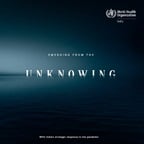
Emerging from the Unknowing chronicles WHO India's vital technical and field support to the Government of India during the COVID-19 response—an extraordinary...


/featured/searo-x.png?sfvrsn=fa1d228c_4 "searo-x")